
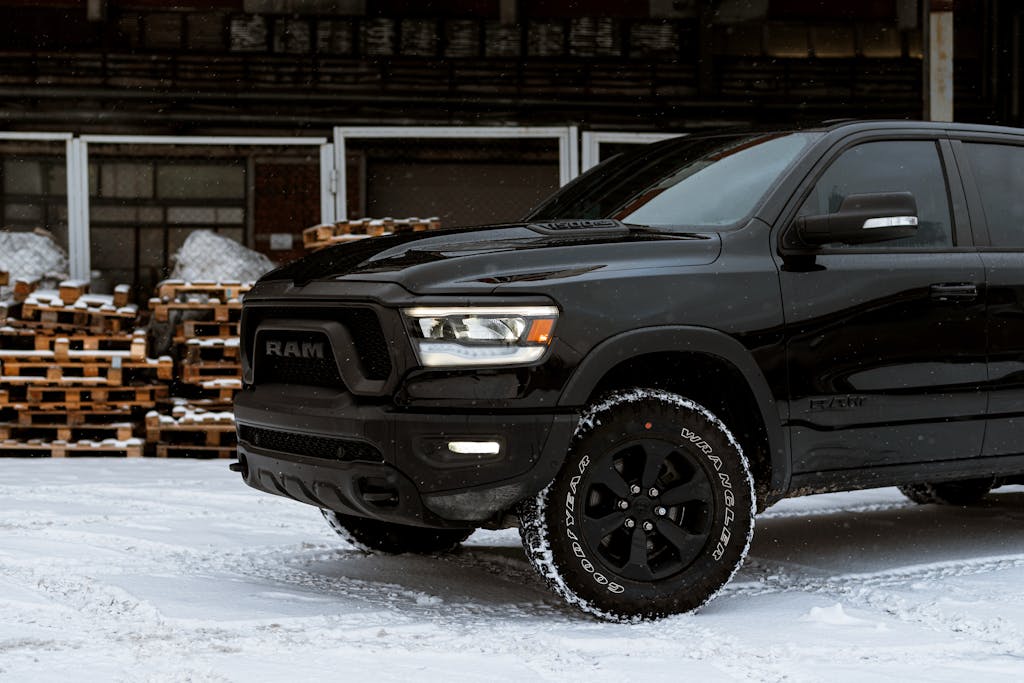
Choosing the right tyres is crucial for safety, performance, and comfort. Two common options are winter tyres and all-season tyres. While all-season tyres offer convenience, winter tyres provide superior traction and handling in cold or snowy conditions. Understanding the differences can help you make an informed choice for your driving environment.
Seasonal Performance Focus
Winter tyres are designed for cold temperatures, ice, and snow. Their softer rubber stays flexible in low temperatures, providing better grip. All-season tyres are a compromise, offering adequate performance in moderate weather but reduced effectiveness in extreme winter conditions.
Tread Design Differences
Winter tyres have deeper tread patterns, larger grooves, and unique siping to channel snow and slush away from the contact patch. All-season tyres have shallower treads with simpler patterns, which perform well on dry and wet roads but may struggle in heavy snow.
Rubber Compound
The rubber compound in winter tyres remains pliable in freezing temperatures, enhancing grip and braking performance. All-season tyres harden in extreme cold, reducing traction and increasing stopping distances, making winter tyres safer for icy conditions.
Handling and Braking
Winter tyres improve handling, cornering, and braking on snow and ice, reducing the risk of skidding. All-season tyres are sufficient for mild winters but may compromise stopping distance and vehicle control in harsher winter weather.
Fuel Efficiency
All-season tyres are generally more fuel-efficient due to lower rolling resistance. Winter tyres can slightly reduce fuel efficiency because of their softer rubber and deeper tread patterns. However, the trade-off is improved safety during cold months.
Longevity and Wear
All-season tyres last longer in warm climates because the rubber is harder and less prone to wear. Winter tyres wear faster in warm or dry conditions. Many drivers switch between winter and all-season tyres to balance safety and longevity throughout the year.
Noise and Comfort
Winter tyres can be noisier on dry roads due to their aggressive tread design, while all-season tyres provide a quieter, smoother ride. Comfort may slightly decrease in winter tyres, but the safety benefits in icy conditions outweigh this drawback.
Choosing the Right Tyre for Your Area
If you live in regions with heavy snow or freezing temperatures, winter tyres are highly recommended. For areas with mild winters and little snow, all-season tyres offer convenience and year-round performance. Knowing your local climate ensures you select the tyres that best fit your driving needs.