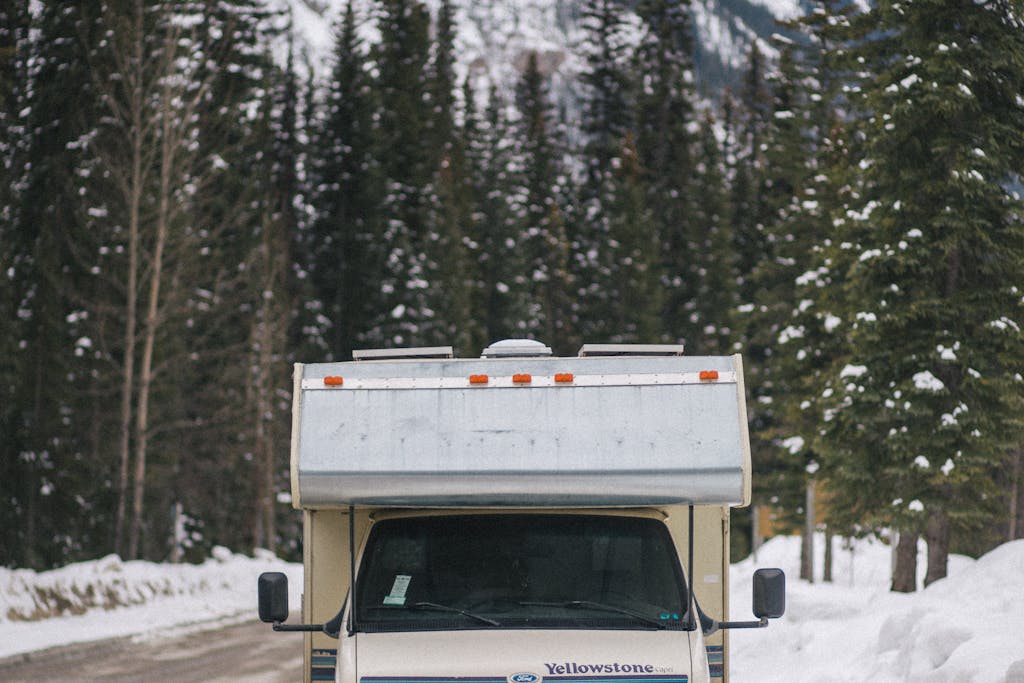
Traveling in an RV during cold weather can be a beautiful and peaceful experience, but winter conditions can be tough on your vehicle if it is not properly prepared. Freezing temperatures can damage plumbing, reduce battery performance, and affect overall comfort. Winterizing your RV helps protect it from cold-related problems and ensures a safe and enjoyable trip. This guide explains the key steps to get your RV ready for cold weather travel in simple terms.
Protect the Water System from Freezing
One of the most important steps in winterizing an RV is safeguarding the water system. Water lines, tanks, and pumps can freeze and crack in low temperatures. Draining all water from the system and using antifreeze designed specifically for RVs helps prevent costly damage.
Insulate Pipes, Hoses, and Exposed Areas
Adding insulation to exposed pipes and hoses helps maintain water flow in cold conditions. Foam pipe covers, heat tape, and insulated hose sleeves are useful tools. Sealing small openings and gaps around storage compartments also helps keep cold air out.
Prepare the Heating System for Continuous Use
Your RV’s heating system should be checked before heading into cold weather. Make sure the furnace is working properly and that vents are not blocked. Carry extra fuel or propane, as heaters consume more energy in winter. A backup electric heater can also provide additional warmth.
Check and Upgrade Insulation Inside the RV
Proper interior insulation improves comfort and reduces heat loss. Thermal curtains, insulated window covers, and floor rugs help retain warmth. These small upgrades can make a big difference in keeping the RV cozy during freezing nights.
Maintain Batteries for Cold Temperatures
Cold weather reduces battery efficiency, which can affect lights, appliances, and heating systems. Fully charge all batteries before the trip and check their condition regularly. Keeping batteries insulated or using battery warmers can help maintain performance.
Use Skirting to Block Cold Air
RV skirting is placed around the lower portion of the vehicle to block cold air from reaching the undercarriage. This helps keep pipes warmer and improves overall heating efficiency. Skirting can be purchased or made using insulated materials.
Monitor Tire Pressure and Fluid Levels
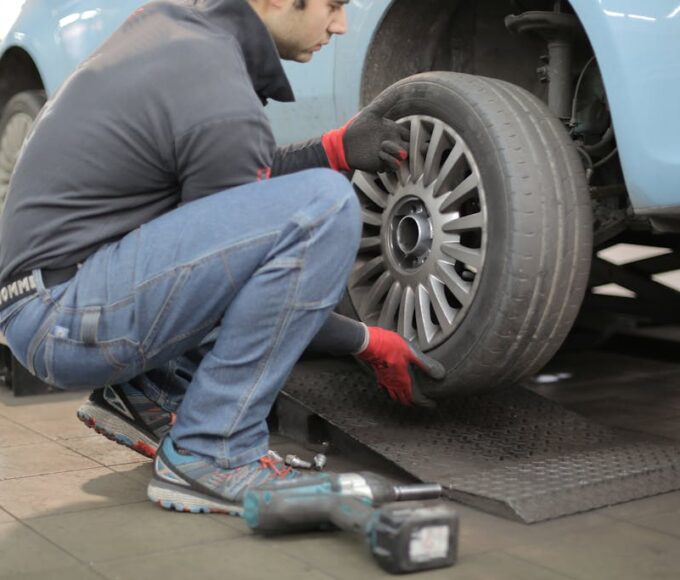
Cold temperatures cause tire pressure to drop, which can affect handling and safety. Check tire pressure frequently and adjust as needed. Engine oil, coolant, and other fluids should also be suitable for winter conditions to ensure smooth operation.
Stock Winter Emergency Supplies
Winter travel requires extra preparedness. Keep supplies such as blankets, warm clothing, extra food, flashlights, and a first-aid kit. Snow chains, a shovel, and ice melt can be helpful if you encounter snow or icy conditions.
Winterizing your RV helps prevent damage and improves comfort during cold weather trips. With the right preparation, you can enjoy winter travel safely while protecting your vehicle from harsh conditions.