Buying a pre-owned vehicle can be a smart financial move, but hidden damage can quickly turn a good deal into an expensive mistake. Some issues are not visible at first glance and may only show up after you’ve already bought the car. Knowing what to look for can help you avoid future repairs and safety risks. With careful inspection and a bit of awareness, you can spot warning signs before making a final decision.
Check for Uneven Paint and Body Panels
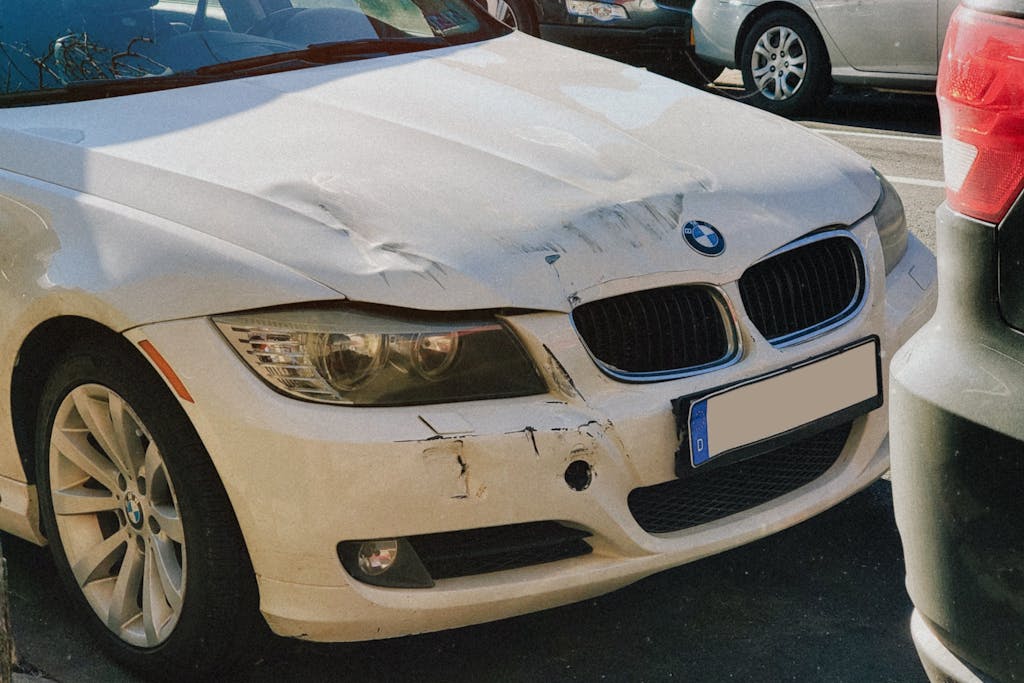
One of the easiest ways to spot past damage is by closely examining the car’s exterior. Look for uneven paint shades, rough textures, or overspray near doors and windows. These can indicate repainting after an accident. Gaps between body panels should be even on both sides. Misaligned panels often suggest previous collision repairs that may not have been done properly.
Look Under the Hood for Clues
Hidden damage often leaves signs under the hood. Check for bent metal, mismatched bolts, or parts that look newer than others. A clean engine bay in an otherwise old car can also be a red flag, as it may have been cleaned to hide leaks or damage. Pay attention to the radiator support and inner fenders, as these areas are commonly affected in front-end accidents.
Inspect the Frame and Undercarriage
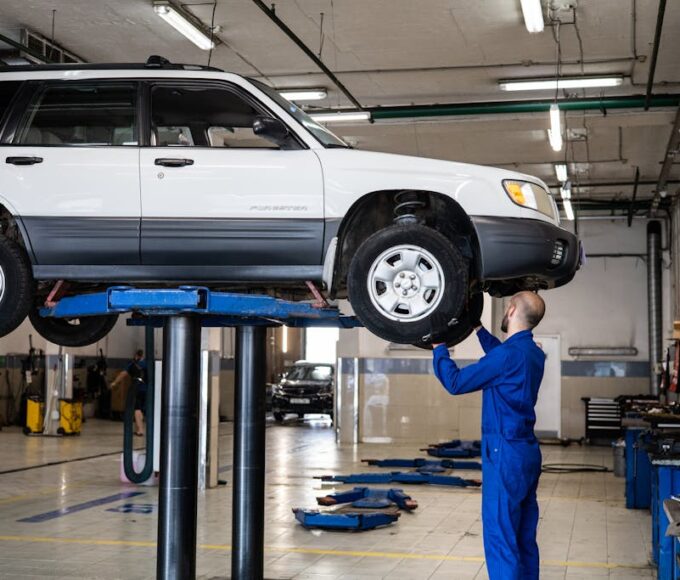
Frame damage is serious and not always obvious. Look underneath the car for rust, weld marks, or bent sections. Fresh undercoating can sometimes be used to cover cracks or corrosion. If the car doesn’t sit evenly or appears lower on one side, it may indicate structural damage that affects safety and handling.
Test Drive with Full Attention
A test drive can reveal problems that are invisible when the car is parked. Pay attention to unusual noises, vibrations, or pulling to one side. If the steering wheel shakes or the car feels unstable at higher speeds, it may be due to alignment or suspension issues caused by previous damage. Braking should feel smooth and responsive, not soft or jerky.
Examine the Interior for Inconsistencies
The inside of the car can also reveal hidden damage. Look for mismatched seat fabrics, loose panels, or new carpeting in specific areas. These could indicate repairs after flooding or accidents. Check under floor mats for moisture, rust, or mold smells, which are strong signs of water damage.
Review the Vehicle History Report Carefully
A vehicle history report can provide valuable information about past accidents, insurance claims, or flood damage. While not all incidents are reported, any gaps or repeated ownership changes in a short time should raise questions. Compare the report details with what you see on the car to ensure everything matches.
Get a Professional Inspection
Even if the car looks fine, a professional inspection is one of the safest steps you can take. A qualified mechanic can spot hidden issues that most buyers miss. Spending a little extra on an inspection can save you from costly repairs and give you peace of mind before purchasing.