Luxury cars have always represented more than just transportation — they are symbols of craftsmanship, innovation, and style. In recent years, luxury automotive design has taken a bold turn, blending cutting-edge technology with artistic expression and modern sustainability. Today’s premium brands are not just making high-end vehicles; they are redefining what automotive luxury means for the future.

Timeless Craftsmanship Meets Modern Innovation
Many of the world’s most revered luxury brands have long histories rooted in tradition and meticulous craftsmanship. Vehicles like the Rolls-Royce Phantom and Bentley Flying Spur continue to showcase handcrafted interiors, attention to detail, and serene ride quality, setting benchmarks for comfort and quality that few others match.
Innovation in Driving Dynamics and Digital Experience
Luxury design today is as much about tech as it is about leather and wood trim. Brands like BMW and Mercedes-Benz are integrating high-end digital systems, seamless connectivity, and advanced driver assistance into their vehicles. Features such as augmented reality navigation, gesture-control interfaces, and AI-powered cabin personalization are becoming expected additions in premium models.
Sustainable Materials Without Compromising Luxury
Luxury is evolving beyond traditional opulence. Premium automakers are increasingly incorporating sustainable and recycled materials into their interiors without losing quality or feel. From vegan leather and plant-based fabrics to recycled metals and wood sourced responsibly, these design choices reflect a growing commitment to eco-conscious luxury.
Electric Performance with a Bespoke Touch
Electric vehicles (EVs) are reshaping luxury design, offering silent performance and futuristic interiors. Leading brands are creating electric luxury vehicles that feel as premium inside as their combustion-engine predecessors did, while also embracing advanced aerodynamics, sleek exteriors, and state-of-the-art tech systems.
New Voices in Luxury
The landscape of luxury brands is expanding. Traditional European marques like Rolls-Royce, Mercedes-Benz, and BMW remain dominant, but others are pushing boundaries too. Chinese luxury and premium EV brands such as NIO and BYD are earning attention for sleek design, smart connectivity, and cutting-edge features that appeal to modern buyers looking for both performance and innovation.
Iconic Brand Examples That Define Today’s Luxury
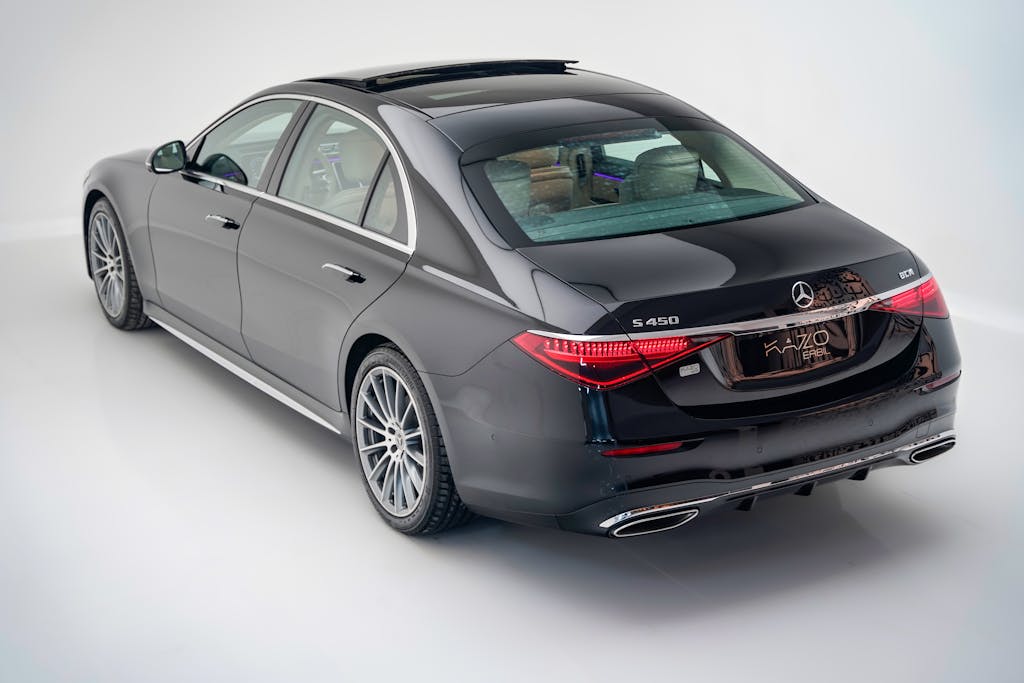
Several vehicles embody the blend of classic luxury and modern design. The Rolls-Royce Phantom and Cullinan SUV showcase timeless opulence with powerful performance. The Mercedes-Maybach S-Class focuses on unmatched rear-seat comfort and tech integration. BMW’s 7 Series emphasizes dynamic driving and refined interiors, while niche vehicles like the Porsche Panamera and Lexus LS offer unique blends of sportiness and luxury.
Design as Brand Identity
For luxury brands, design isn’t just aesthetics — it’s identity. From Scandinavian minimalism in interior layouts to iconic grille designs and custom-tailored materials, luxury automakers use design to create distinct personalities for their vehicles. This elevates the sense of ownership and connection between driver and machine.
The Future of Automotive Luxury
Luxury brands are increasingly focusing on reducing environmental impact, integrating AI, and enhancing personalization. As vehicle software becomes as important as hardware, luxury design will likely blur the lines between fashion, art, and automotive engineering.
In a world where automotive tastes are rapidly evolving, luxury brands continue to lead by marrying heritage and innovation. Whether through handcrafted interiors or cutting-edge electronics, these automakers are expanding what it means to drive in style.